
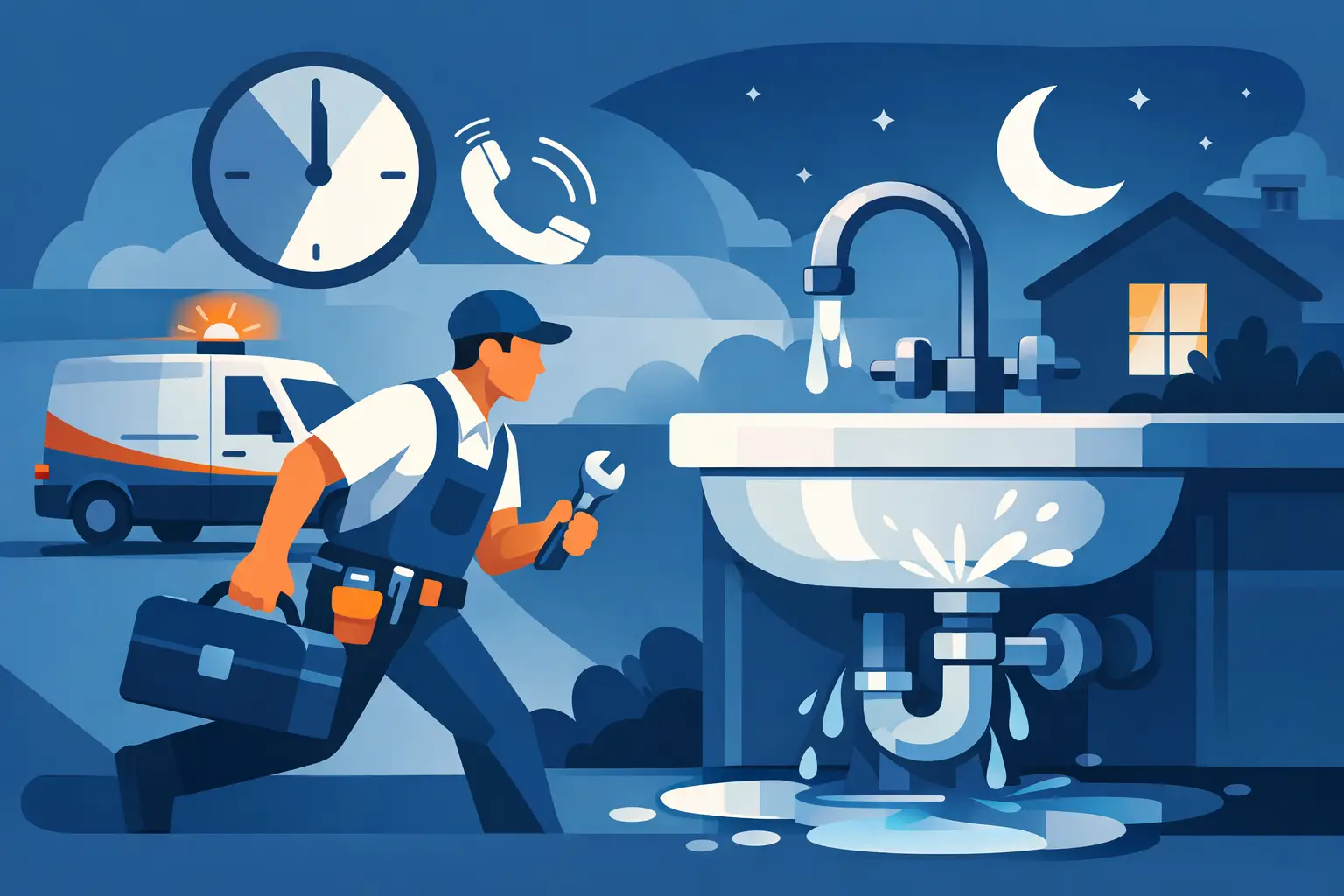
A burst pipe at 2am is not just a plumbing issue. It is a threat to floors, electrics, stock, equipment, tenant safety and business continuity. When you need a 24-hour emergency plumber, speed matters, but so does having the right team on site – one that can make the area safe, stop the immediate problem and protect the rest of the property from avoidable damage.
Emergency plumbing is rarely convenient, and it is almost never isolated. Water can affect ceilings, walls, doors, flooring and electrics within minutes. For landlords, facilities managers and commercial operators, a small leak can quickly become a larger maintenance problem if the response is slow or incomplete. That is why round-the-clock coverage is not just about answering the phone. It is about turning up ready to act.
What a 24-hour emergency plumber actually deals with
Not every plumbing issue needs an immediate call-out, but many do. The difference usually comes down to risk. If water is escaping uncontrollably, sanitation is compromised, or the property cannot operate safely, it is an emergency.
A 24-hour emergency plumber is typically called for burst pipes, major leaks, overflowing toilets, blocked waste pipes causing backflow, failed hot water systems in occupied properties, broken stop taps, leaking tanks, and faults affecting essential water supply. In commercial settings, the list can also include washroom failures, plant room issues and plumbing faults that interrupt operations or create health and safety concerns.
There are also situations that sit in a grey area. A dripping tap in a vacant unit can often wait until morning. A leaking pipe above a live electrical board cannot. A failed water heater in a family home may be urgent in winter, but in a commercial building the priority may depend on occupancy, type of site and whether hygiene standards can still be maintained. Context matters.
Why response time matters in plumbing emergencies
Water damage spreads fast. It gets behind skirting, under finished floors, into ceiling voids and through partitions. Even when the visible leak looks minor, hidden damage can continue after the immediate fault appears under control.
That is why a rapid plumbing response is only part of the job. The real value comes from isolating the source quickly, assessing the wider impact and preventing secondary damage. In a tenanted property, that may mean protecting neighbouring flats or communal areas. In a retail or office setting, it may mean keeping part of the building operational while repairs are carried out. In a dental or healthcare-adjacent environment, it may mean safeguarding hygiene-sensitive spaces and minimising downtime.
Delays usually cost more than the repair itself. Water ingress can lead to damaged ceilings, decoration works, flooring replacement, mould risk and disruption to occupants. For commercial clients, there is the added cost of lost trading time, staff disruption and reputational impact.
What to do before the emergency plumber arrives
The first priority is safety. If water is close to sockets, lighting, electrical equipment or distribution boards, keep people away from the affected area and only isolate electrics if it is safe to do so. If there is any doubt, wait for a qualified professional.
Next, shut off the water supply if you can access it safely. For some properties this will be the internal stop tap. In larger sites, there may be sectional isolation valves that reduce disruption to the rest of the building. If the leak involves a cylinder, tank or appliance connection, isolate that part of the system where possible.
Then try to limit the spread. Move stock, furniture, records or equipment out of the affected area, use towels or containers to catch active drips, and keep a clear route for access. If you manage multiple units or a shared building, notify anyone who may be affected. Clear information helps the response team act faster on arrival.
Photos can also help, especially if the fault changes before attendance or if multiple contractors may need to be involved afterwards. That said, do not let documentation delay urgent action.
Choosing the right 24-hour emergency plumber
At emergency stage, people often focus on availability alone. That is understandable, but it is not enough. You need a contractor that can do more than a temporary patch and a promise to come back later.
The right emergency plumbing service should be able to identify the source quickly, make the situation safe, carry out an effective repair where possible and advise clearly if follow-on works are needed. It also helps when the contractor understands wider property maintenance, because plumbing emergencies often affect more than pipework.
For landlords and facilities teams, this matters a great deal. If a leak damages ceilings, joinery, flooring or access points, coordinating separate trades slows everything down. A provider with broader maintenance capability reduces handovers, shortens downtime and gives you one accountable point of contact.
Local coverage matters too. A contractor serving Slough and the surrounding area can usually respond more efficiently than one travelling in from farther afield, particularly overnight or during severe weather when demand rises. Familiarity with local property types, common system layouts and commercial sites also improves diagnosis and decision-making.
24-hour emergency plumber support for homes and managed properties
Residential emergencies are stressful because they affect daily life immediately. No heating or hot water, an overflowing toilet, or a leak coming through the ceiling can make a property difficult or unsafe to occupy. Tenants want quick answers, homeowners want the damage stopped, and managing agents need reliable updates.
In these situations, clear communication is almost as important as the repair. People need to know what has failed, whether the water has been isolated, what temporary measures are in place and what happens next. Fast attendance without proper follow-through can leave customers with the same problem a few hours later.
Managed properties bring extra complexity. Access may need to be arranged, neighbouring occupiers may be affected and responsibility may sit with a landlord, freeholder or managing agent depending on where the fault is located. An experienced contractor works through those practical issues without losing sight of the immediate repair.
Commercial plumbing emergencies need a wider view
Commercial sites rarely have the luxury of waiting. A plumbing fault can close washrooms, interrupt service, affect staff welfare and put parts of the building out of use. In hospitality, retail, offices, education and healthcare settings, the knock-on effects can be significant.
That is why commercial emergency response has to be operationally minded. The aim is not only to fix the plumbing issue, but to help the site keep functioning where possible. That may involve isolating part of the system while preserving supply elsewhere, scheduling remedial work around trading hours, or coordinating additional maintenance support if water has affected other building elements.
For specialist environments such as dental practices, the standard response may not be enough. Plumbing faults can affect hygiene, patient flow and critical equipment areas. A contractor with facilities awareness understands that the problem is bigger than the pipe. It is about continuity, presentation and safe working conditions as well.
After the repair, the real question is prevention
An emergency call-out solves the immediate problem, but it should also prompt a closer look at why the fault happened. Pipes burst for reasons. Blockages build over time. Valves seize because they have not been exercised. Leaks from ageing fittings are often warning signs rather than isolated events.
For property owners and managers, this is where planned maintenance earns its value. Regular inspections, small repairs completed early and a clear record of recurring faults can reduce both emergency call-outs and wider repair costs. It will not eliminate every out-of-hours issue, but it can make them far less frequent.
This is especially relevant across portfolios and commercial estates, where repeated reactive problems often point to a larger maintenance gap. One dependable provider that can handle urgent response and ongoing upkeep gives you a more complete picture of the building and a faster route to long-term reliability.
MSM Site Solutions supports that approach by combining emergency trade response with broader property maintenance and facilities support, helping clients deal with the immediate issue while keeping the wider property operational.
A good emergency plumber does more than arrive quickly. They reduce risk, restore control and help you make the right next decision when the pressure is on. When water is where it should not be, that kind of response makes all the difference.
Leave a Reply