
A slow-draining sink can become a serious problem far sooner than most people expect. Blocked drains do not simply cause an inconvenience at the basin or toilet – they can lead to foul odours, wastewater backing up, damaged flooring and disruption to tenants, staff or customers. For landlords, property managers and commercial operators, a quick, measured response protects both the property and the people using it.
How blocked drains develop
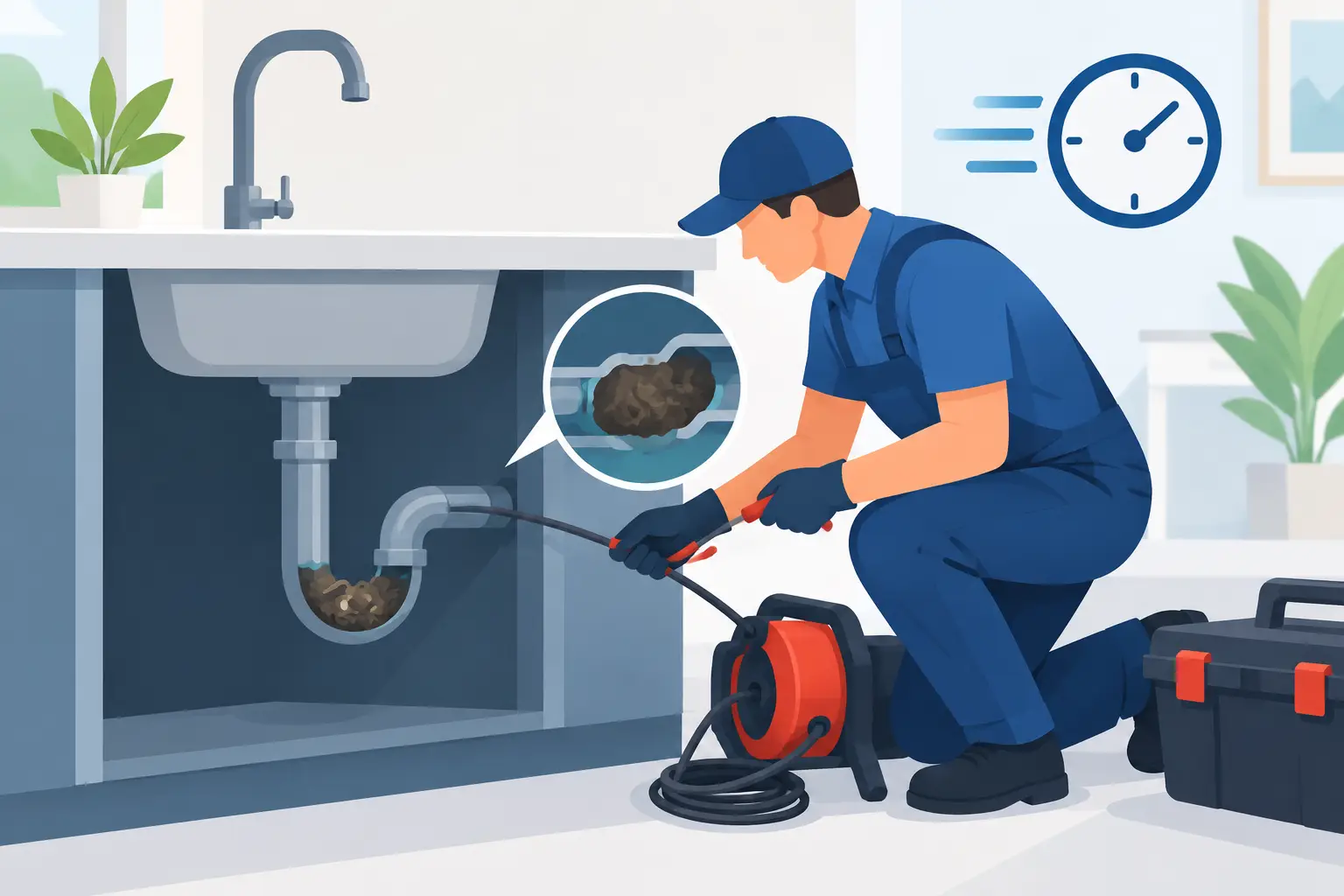
Most drainage blockages build up gradually. In kitchens, grease, food debris and detergents can collect inside pipework, narrowing the flow of water over time. Bathroom drains are commonly affected by hair, soap residue and sanitary products. Outside, leaves, silt, tree roots and damaged pipework can restrict or stop water moving through the system.
The source is not always close to the fixture showing the problem. A toilet that will not flush properly, for example, may indicate a blockage further along the soil pipe or in the external drain. If several fixtures are draining slowly at once, the issue is more likely to be in the main drainage line than in an individual waste pipe.
For commercial premises, the cause can also reflect how the building is used. Busy staff kitchens, customer toilets, communal areas and older properties place greater demand on drainage systems. Dental practices and healthcare-adjacent settings need particular care, as drainage issues can affect hygiene standards, patient confidence and day-to-day operations.
Warning signs that need attention
Early action is usually simpler and less disruptive than dealing with a full backup. Water taking longer to clear from a sink, shower or basin is often the first sign. Gurgling sounds from plugholes, unpleasant smells, water rising in a toilet bowl or damp patches around external drains should also be taken seriously.
A single slow sink may be a localised blockage. However, if water backs up in a shower when a toilet is flushed, or multiple drains are affected, avoid treating it as a minor household job. This can indicate a shared blockage or restricted main drain that requires professional investigation.
Outside, look for standing water around gullies, overflowing drain covers or unusually lush patches of ground near underground pipe runs. These can point to a blocked or damaged drain. Do not remove heavy covers or enter inspection chambers without suitable equipment and training. Drainage systems can contain harmful gases and contaminated water.
What to do when a drain starts backing up
The first priority is to stop adding water to the affected system. Avoid running taps, using washing machines or dishwashers, flushing toilets repeatedly, or emptying buckets into nearby sinks. Continued use can force wastewater back through the lowest outlet and increase the risk of internal damage.
If it is safe to do so, remove visible debris from a plughole or gully grate while wearing gloves. A plunger can sometimes clear a simple, localised blockage in a basin, sink or toilet. Use it carefully and avoid excessive force, particularly on older fittings or pipework.
Do not mix chemical drain cleaners. Strong products can produce dangerous fumes when combined, damage certain pipe materials and create a hazard for anyone later working on the system. They may also fail to reach the actual obstruction, especially where the blockage is in external drainage or further down the pipe run.
If water has overflowed indoors, keep people away from the affected area, particularly where sewage may be present. Protect electrical sockets and appliances where possible, but do not touch electrical equipment if there is standing water. A professional can clear the blockage, assess any contamination and identify whether repairs or drying work are needed.
When blocked drains are an emergency
Not every slow drain needs an immediate call-out, but some situations should never wait. Wastewater entering a property, an overflowing toilet, a drain affecting several parts of the building or a blockage preventing a business from operating normally all require prompt support.
Landlords and facilities managers should act quickly where blocked drainage affects occupied accommodation, staff welfare facilities or customer areas. Delays can turn a contained repair into a complaint, a hygiene concern or a wider property damage claim. In a commercial setting, closing toilets or kitchen facilities can also affect compliance and operational continuity.
A 24/7 maintenance provider is particularly useful when the problem occurs outside normal working hours. The aim is not merely to get water moving again. It is to make the area safe, reduce disruption and establish whether the underlying cause needs further work.
Why recurring drainage problems need investigation
A drain that blocks repeatedly is telling you something. Clearing the immediate obstruction may restore service, but repeat call-outs can become costly if the cause is not found. Grease build-up, root ingress, collapsed pipework, poor falls and damaged joints all need a different solution.
For managed properties, keeping a clear record of repeat drainage issues helps identify patterns. Is the same stack serving several flats? Does the problem follow heavy rainfall? Is a particular staff kitchen or washroom regularly affected? These details help a maintenance team decide whether cleaning, repair, replacement or planned servicing is the right next step.
Drain surveys and specialist equipment can be appropriate where the cause is unclear or a blockage keeps returning. This is especially valuable before major repair work, as it avoids unnecessary excavation and gives property owners a clearer basis for deciding what to do next.
Preventing drainage issues in homes and premises
Good habits reduce the risk of many common blockages. Food waste, cooking fat, coffee grounds, wipes, cotton buds and sanitary products do not belong in sinks or toilets, even where packaging suggests a product is flushable. Grease should be allowed to cool and placed in a suitable container before disposal.
In shared or commercial buildings, clear signage and regular checks make a real difference. Staff and tenants may not realise how quickly unsuitable materials can block a system. In properties with external gullies, routine removal of leaves and debris before periods of heavy rain can help prevent surface water from backing up.
Planned maintenance is often the sensible choice for sites with busy kitchens, high footfall, older drainage systems or a history of blockages. It gives facilities managers more control over timing and cost, rather than relying solely on emergency repairs. The right frequency depends on the building, its use and the condition of the drainage network.
Reliable support when drainage cannot wait
Drainage faults rarely arrive at a convenient time. A dependable response should begin with understanding what is happening on site: which outlets are affected, whether wastewater is present, and whether the building can continue to operate safely. From there, the work can focus on clearing the blockage, limiting damage and recommending practical next steps.
MSM Site Solutions provides responsive property maintenance support for homes and commercial premises in Slough and surrounding areas. For property managers, landlords and operators, having one accountable team available for urgent drainage issues and wider building maintenance removes the need to coordinate several contractors during a stressful incident.
If a drain is slowing down, smells unusual or begins to back up, treat it as an early warning rather than a problem to work around. Acting before wastewater reaches floors, walls or customer areas is the simplest way to protect the property and keep it running as it should.
Leave a Reply