

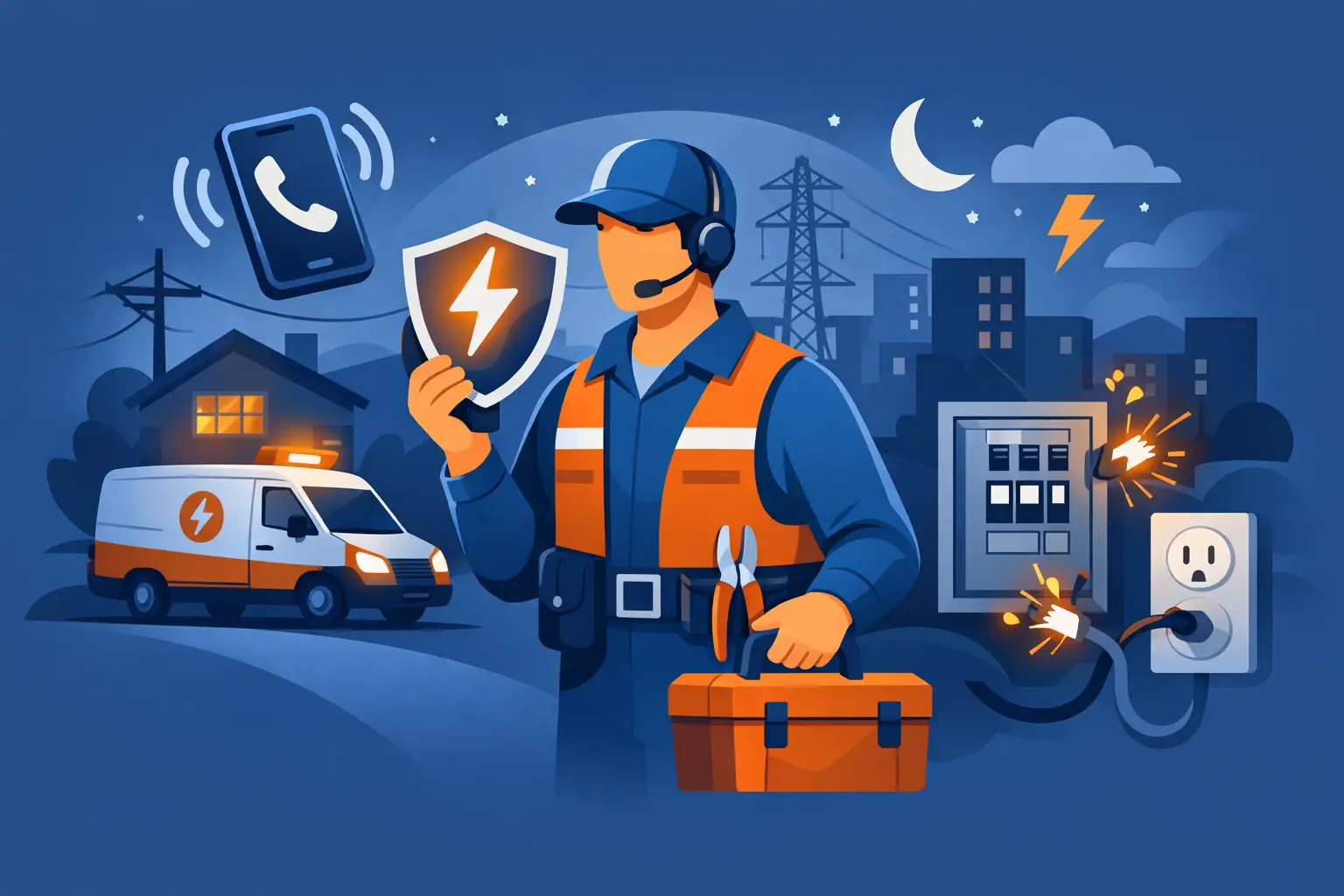
A burning smell from a consumer unit, sockets that suddenly stop working, or power loss in part of a building rarely happens at a convenient time. When it does, you need an emergency electrician service that responds quickly, makes the area safe, and gets to the root of the problem without wasting time. For landlords, facilities managers, commercial operators and homeowners alike, speed matters – but so does knowing the repair has been handled properly.
When an emergency electrician service is the right call
Not every electrical issue is an emergency, but plenty are. If there is visible sparking, smoke, a burning odour, repeated tripping, loss of power to critical areas, exposed wiring, water affecting electrics, or signs that equipment is overheating, it needs urgent attention. In commercial premises, the threshold is often even lower because downtime can affect staff safety, security systems, refrigeration, IT equipment, or customer operations.
The key difference between an inconvenience and an emergency is risk. A single faulty light fitting in a storage room might be manageable until normal working hours. A tripping circuit that takes out alarms, shutters, treatment rooms or essential equipment is not. The same applies in residential properties where a fault may leave vulnerable occupants without lighting, heating controls or safe power.
What to expect from emergency electrical support
A proper emergency call-out should start with making the installation safe. That may mean isolating a dangerous circuit, identifying whether the fault is localised or affects the wider system, and checking whether there is immediate fire or shock risk. The first priority is always safety, not guesswork.
Once the immediate danger is controlled, the next step is diagnosis. Electrical faults can have straightforward causes, such as a failed socket or damaged accessory, but they can also point to larger issues within the wiring, the consumer unit, connected appliances, or moisture ingress. A dependable contractor will explain what has failed, what can be repaired there and then, and whether a temporary fix is sensible or whether a full repair is the safer option.
This is where experience counts. Quick attendance is important, but speed on its own is not enough. Property owners and managers need a contractor who can assess the wider condition of the installation and spot when a fault is part of a recurring maintenance problem rather than a one-off incident.
Common emergencies in homes and commercial buildings
In residential settings, urgent electrical issues often involve tripping circuits, failed consumer units, overheating sockets, damaged cables, and lighting faults that leave key areas unsafe. Older properties can be especially vulnerable because ageing wiring, overloaded circuits and previous patch repairs may only become obvious when something fails.
Commercial properties bring a different level of pressure. A fault in a retail unit can interrupt trading. In an office, it can stop teams from working. In shared buildings, a single electrical issue can affect multiple occupiers. For landlords and managing agents, the challenge is not only resolving the fault but protecting tenants, reducing disruption and keeping clear records of what has been done.
Specialist environments need even more care. Dental practices and healthcare-adjacent sites, for example, depend on reliable power for day-to-day operations, equipment and patient-facing areas. In those settings, an electrical fault is more than an inconvenience. It can interrupt appointments, affect compliance expectations and create operational risk if not dealt with promptly and professionally.
Why fast response matters – and where it has limits
A rapid call-out can prevent a minor issue becoming a major one. If a loose connection is causing heat build-up behind a socket, early intervention may stop damage spreading to surrounding wiring or finishes. If a water leak has reached electrical circuits, isolating the affected area quickly can reduce the chance of further damage and protect occupants.
That said, the fastest solution is not always the final solution. Some emergencies can be resolved fully on the first visit. Others need immediate stabilisation followed by planned remedial work once testing, parts availability or wider inspection has taken place. Good service means being clear about that from the outset.
For facilities teams and landlords, that honesty is valuable. It helps them make sensible decisions about temporary closures, tenant communication and follow-on works instead of assuming every electrical issue can be permanently repaired in a single hour.
Emergency electrician service for property managers and landlords
Managing electrical problems across one property is challenging enough. Managing them across several is where having the right support makes a real difference. Landlords and property managers often need more than a reactive fix. They need someone who can attend quickly, report clearly, and handle any linked issues that emerge during the job.
That could include making safe damaged plaster around fittings, coordinating access, identifying signs of water ingress, or flagging broader maintenance concerns that could lead to repeat faults. A single provider with wider property maintenance capability can reduce delays and avoid the usual back-and-forth between separate trades.
It also helps with accountability. When the same contractor can manage electrical emergencies as part of broader reactive maintenance, there is less room for confusion over who has isolated what, who is returning to complete repairs, and what has been communicated to the occupier.
Choosing the right provider in a genuine electrical emergency
When the pressure is on, most customers want the same things: a fast answer, clear communication and confidence that the issue is being handled by someone competent. Those are the basics, but there are other factors worth weighing up.
Local coverage matters because response times are usually better when the provider genuinely operates in your area rather than dispatching from further afield. Breadth of service matters too, especially when electrical faults sit alongside water damage, access issues or other building problems. And for commercial sites, reliability outside standard working hours is essential because many serious faults happen early in the morning, overnight or at weekends.
It is also worth considering what happens after the immediate repair. Some contractors are set up only for emergency attendance. Others can support ongoing maintenance, testing, remedial works and planned upkeep. If you are responsible for a portfolio, a managed site, or a business that cannot afford repeat disruption, that broader capability can save time and reduce long-term cost.
Preventing repeat call-outs after an electrical fault
An emergency repair solves the immediate problem, but it should also prompt a closer look at why the fault happened. Repeated trips, scorched fittings, failing accessories or intermittent power loss often point to a deeper issue that has developed over time. Ignoring that pattern usually means another urgent call later.
In practical terms, prevention may involve inspection and testing, replacing worn components, reviewing circuit loads, addressing water ingress, or upgrading outdated parts of the installation. For commercial sites, it may also mean building electrical checks into a wider maintenance plan so problems are picked up before they affect operations.
This is particularly relevant in older buildings and busy premises where electrical demand has changed over the years. What was once adequate may no longer suit the current use of the space. Additional equipment, altered layouts and piecemeal modifications can all increase strain on the system.
A dependable response makes all the difference
During an electrical emergency, people want reassurance, but they also want action. They need to know the risk is being controlled, the cause is being identified and the next steps are clear. That applies whether the issue is in a family home, a tenanted flat, a shop, an office or a specialist clinical setting.
For customers in and around Slough, MSM Site Solutions supports urgent electrical issues as part of a broader maintenance response built around speed, safety and practical problem-solving. That matters because electrical faults rarely happen in isolation from the rest of the building.
If there is one thing worth remembering, it is this: an electrical fault rarely improves by being left alone. The sooner it is checked, made safe and properly assessed, the easier it is to protect your property, your occupants and your day-to-day operations.
Leave a Reply