

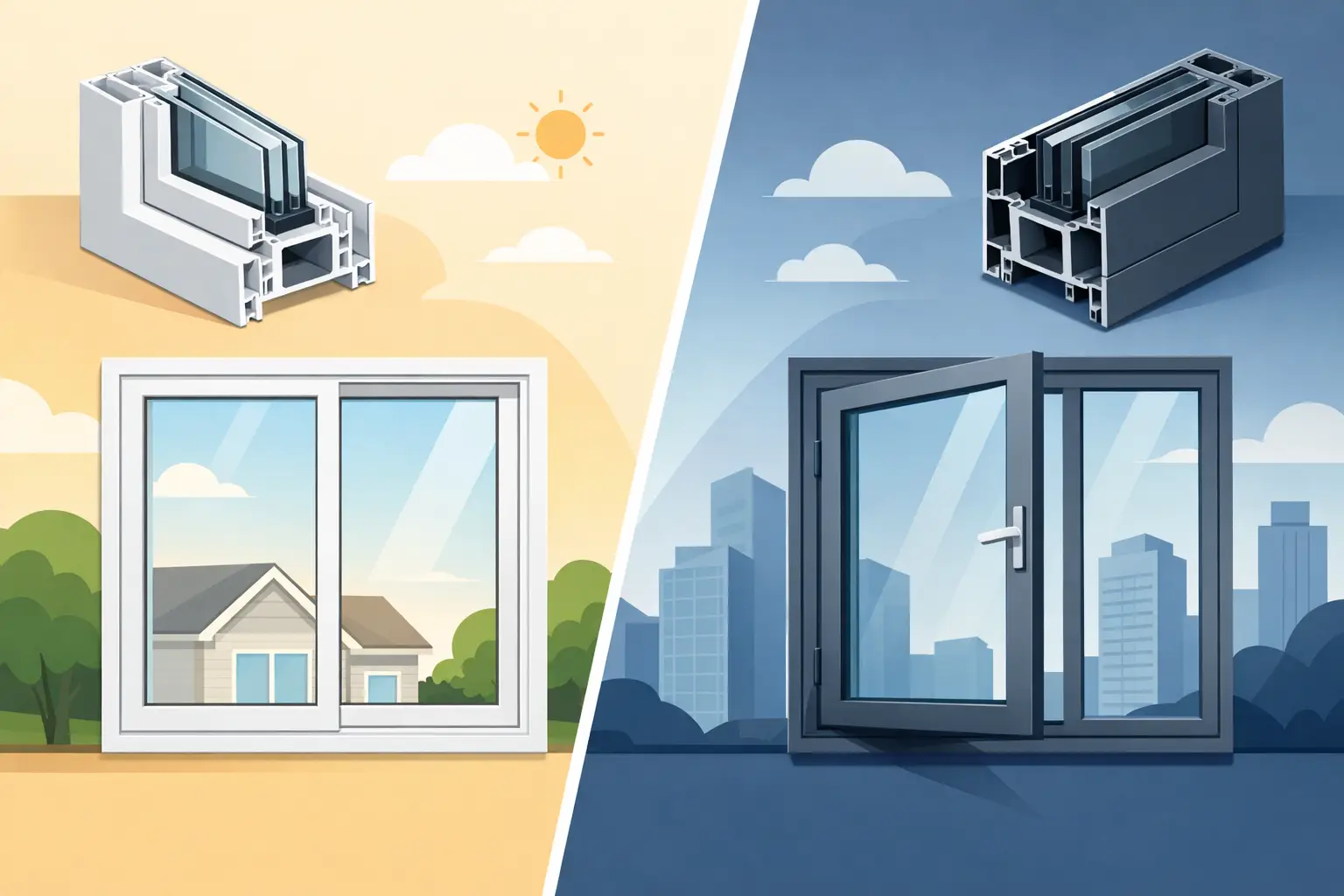
A window replacement can affect far more than the appearance of a property. It influences heat loss, security, noise levels, maintenance demands and the day-to-day comfort of people using the building. When weighing up uPVC versus aluminium windows, the right answer depends on the property, the required finish and how the windows need to perform over time.
For a rental flat, family home, office, shop or healthcare setting, choosing on initial price alone can create avoidable costs later. The frame material should suit the building’s use, exposure to weather, glazing specification and long-term maintenance plan.
uPVC versus aluminium windows: the key difference
uPVC windows use insulated plastic frames, usually with internal chambers designed to reduce heat transfer. They are widely used in residential properties because they offer good thermal performance, low maintenance and an accessible upfront cost.
Aluminium windows use metal frames, normally with a thermal break separating the inside and outside sections of the frame. This is essential: aluminium conducts heat, but a properly specified thermal break helps the window meet modern energy-efficiency requirements. Aluminium is particularly valued for its strength, slim sightlines and clean architectural finish.
Neither material is automatically better. uPVC is often the practical choice where warmth, value and straightforward replacement are the priorities. Aluminium can be the stronger option where large panes, narrow frames, durability or a premium commercial appearance matter most.
Cost and whole-life value
Upfront cost is usually the first noticeable difference. Standard uPVC windows generally cost less than aluminium equivalents, especially for common residential sizes and straightforward openings. For landlords managing several similar properties, that difference can be significant.
Aluminium often requires a larger initial investment. The material, fabrication and glazing systems can be more specialised, particularly for oversized units, heritage-style designs, commercial entrances or coloured finishes. However, aluminium’s strength and long service life can make it good value where the frames are expected to withstand heavy use or exposed conditions.
The best comparison is not simply the purchase price. Consider how long the windows are expected to remain in service, whether future redecorating or repair work is likely, and the impact of downtime. In a busy commercial unit or dental practice, a failed window, damaged frame or difficult replacement can be more disruptive than the original saving was worth.
Thermal performance and energy efficiency
Both uPVC and thermally broken aluminium windows can achieve strong energy performance when paired with suitable double or triple glazing. Glass specification, frame quality, installation standard and draught control all affect the final result.
uPVC has a natural advantage as an insulating material. Its multi-chamber profile helps limit heat movement through the frame, making it a reliable option for homes where reducing heat loss and condensation risk is a priority.
Modern aluminium systems have improved greatly. A quality thermal break, sealed unit and correct installation can deliver very good insulation while retaining slimmer frame lines. This may be especially useful where a building needs more daylight or larger glazed areas without sacrificing practical performance.
For either option, look beyond broad claims about energy ratings. The quoted performance should apply to the complete window, not just the glass. Poor sealing around the frame, failed glazing units or gaps in the installation can undermine an otherwise high-performing product.
Condensation is not only a window issue
Replacing old windows can reduce draughts, but it may also reveal underlying ventilation problems. Condensation is often linked to high indoor moisture, cold surfaces and inadequate airflow. Bathrooms, kitchens, tenanted properties and treatment rooms need suitable extraction and a workable ventilation strategy alongside well-fitted windows.
Appearance, frame size and property character
This is where aluminium often stands apart. It is stronger than uPVC, so it can support larger glazed panels with narrower visible frames. The result is a more open view and a sharper, more contemporary look. Aluminium is well suited to commercial frontages, offices, modern extensions and properties with wide window openings.
uPVC frames are generally thicker, although current profiles are far more refined than older designs. They are available in white, anthracite grey, black, wood-effect foils and other finishes, so they can work well across many property styles. For a standard house or flat, uPVC can provide a neat, durable result without the cost of aluminium.
Where a building is in a conservation area or has planning restrictions, the choice should be checked carefully before ordering. The frame profile, opening style, glazing bars and finish may matter as much as the material itself. A like-for-like replacement may still need approval in some circumstances.
Security and everyday reliability
Security depends on the complete window system: locks, hinges, glazing, handles, fitting and the condition of the surrounding opening all matter. Both uPVC and aluminium windows can be specified with secure multi-point locking and toughened or laminated glass where appropriate.
Aluminium’s inherent strength can be beneficial for large openings and locations subject to frequent use. uPVC can also provide excellent security, provided the frame is reinforced where needed and the hardware is correctly fitted. A poorly installed high-specification window is not a secure window.
For ground-floor flats, vacant properties, retail units and premises storing valuable equipment, it is sensible to review security as part of the replacement project. Window restrictors, safety glazing, lockable handles and suitable emergency access arrangements may all need consideration.
Maintenance, weathering and expected lifespan
uPVC is popular because it needs little routine attention. Regular cleaning with mild soapy water, clearing drainage channels and checking seals and handles will usually keep it performing well. Darker foil finishes can need extra care to maintain their appearance, especially on elevations exposed to strong sun.
Aluminium is also low maintenance and is highly resistant to corrosion. Powder-coated finishes are durable, but frames should still be cleaned to remove dirt, salt deposits and pollution. This matters near busy roads and in commercial locations, where grime can build up quickly.
Both materials can suffer from failed seals, worn hinges, damaged handles and misted double-glazed units. These are not always reasons to replace the whole window. Timely repairs can extend service life, improve security and prevent water ingress from turning into a larger maintenance issue.
Noise reduction and occupant comfort
Frame material plays a part, but glazing specification usually has the greater effect on noise control. If a property is near a main road, rail route, school or commercial area, ask about acoustic glass and the thickness of the glazed unit. Good perimeter seals and careful fitting are equally important.
Aluminium’s slim frames can allow for larger panes, which may be beneficial for light but can require thoughtful glass selection in noisy locations. uPVC provides a well-sealed, insulated frame and is often effective in domestic settings. The right choice is the one designed around the building’s actual exposure, not a generic product claim.
When uPVC is likely to be the better choice
uPVC is often the sensible route for standard residential replacements, rental properties and projects where budget control and thermal efficiency come first. It suits common window sizes, provides a broad choice of finishes and keeps ongoing maintenance straightforward.
It can also be a good option where several windows need replacing at once and consistency is important. The key is to avoid treating every uPVC system as equal. Profile quality, reinforcement, glazing, hardware and installation workmanship all affect durability and performance.
When aluminium is worth considering
Aluminium is often justified for commercial premises, contemporary homes, large openings and sites where windows receive frequent use. Slim sightlines, structural strength and a long-lasting finish can support a better result in visible or demanding locations.
It is also a strong choice where a consistent architectural finish is needed across windows, doors and glazed screens. For facilities managers, the ability to specify a durable system that suits the wider building design can simplify planned maintenance and future upgrades.
Make the decision around the property, not the brochure
Before selecting a frame material, assess the window openings, building condition, drainage, ventilation, security requirements and intended use of each room. A ground-floor commercial frontage may need a different specification from an upstairs bedroom, even within the same property.
MSM Site Solutions can help property owners and managers address glazing issues as part of a wider maintenance plan, from damaged units and faulty hardware to replacement work that protects comfort, security and building performance. The most reliable choice is the one that fits the property properly, is installed correctly and remains easy to maintain long after the work is complete.
Leave a Reply